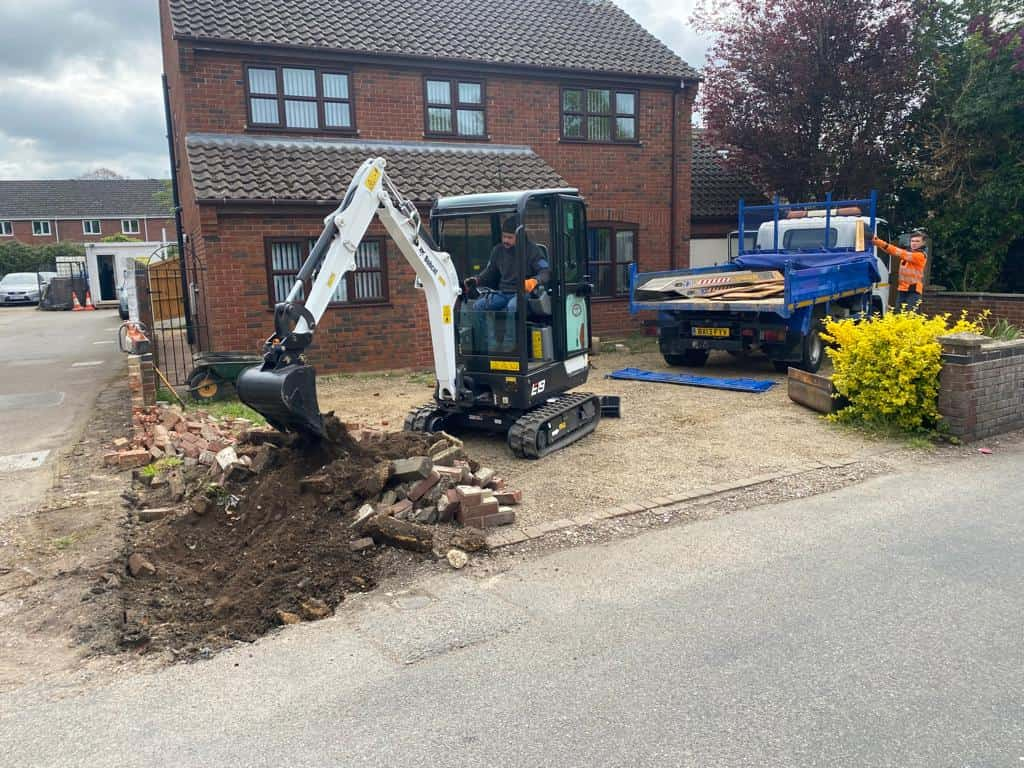
The Importance of Effective Drainage in Road Construction Projects
Effective drainage is one of the most important considerations in road construction. A well-built road must do more than provide a smooth surface; it must also manage rainwater properly to protect the pavement, maintain safe access and reduce the risk of premature deterioration.
For road construction and driveway projects in March, Cambridgeshire, drainage deserves careful attention from the earliest planning stages. Poor water management can contribute to potholes, surface cracking, standing water and damage to the layers beneath the road. March Driveways understands the importance of preparing and constructing surfaces that can cope with everyday use and changing weather conditions.
Why Is Drainage Essential in Road Construction?
Road surfaces are regularly exposed to rainfall, vehicle movements and changes in ground conditions. Without an effective drainage system, water can collect on the surface or penetrate the pavement, gradually weakening its structure.
A suitable drainage design helps direct water away from the road and towards appropriate drainage points. This protects the surface and supporting layers, helping the finished road remain functional for longer.
1. Preventing Potholes and Surface Damage
Water entering cracks or joints can reach the underlying pavement layers. When these materials become weakened, repeated traffic can cause the surface to break apart, creating potholes and uneven sections.
Effective drainage reduces the amount of water that remains on or beneath the pavement. Combined with proper ground preparation and suitable construction materials, it helps limit moisture-related deterioration.
For roads and driveways in March, Cambridgeshire, considering drainage before laying the final surface can help prevent problems that might otherwise appear after completion.
2. Reducing Standing Water
Poorly drained roads can develop puddles after rainfall. Standing water can make surfaces less safe for vehicles and pedestrians, obscure minor defects and contribute to the deterioration of paving materials.
Road construction should therefore account for surface gradients, falls and suitable drainage channels where required. These features help water flow away rather than collect in low spots.
The correct arrangement depends on the layout of the site, the type of surface and the direction in which water can be safely discharged.
3. Protecting the Road’s Foundations
The strength of a road depends heavily on the layers beneath the visible surface. If water enters the sub-base or weakens the ground below, the pavement may begin to settle, deform or develop cracks.
Drainage helps preserve these supporting layers by limiting prolonged exposure to moisture. However, drainage alone cannot compensate for inadequate foundations. Proper excavation, ground preparation, compaction and material selection must work together to create a stable road.
4. Supporting Reliable Access in Wet Weather
Roads and access routes need to remain usable during periods of rainfall. Water that collects across a surface can affect vehicle movement and create difficulties for pedestrians, particularly around entrances and frequently used areas.
A well-planned drainage arrangement helps manage runoff and reduces the likelihood of persistent puddles. This is especially important where driveways connect to roads, buildings or other paved areas, as the design must consider how water moves across the entire site.
What Drainage Features Are Used in Road Construction?
The most appropriate drainage solution depends on the site conditions, road design and expected water flow. Common features include the following.
Surface Falls and Gradients
A road or driveway is generally constructed with carefully planned falls so that rainwater moves towards designated drainage points. The gradients must be appropriate for the surface and surrounding layout to avoid water collecting in depressions.
Drainage Channels and Gullies
Channels and gullies can collect surface runoff and direct it into a suitable drainage system. Their position and capacity should reflect the area being drained and the volume of water expected during rainfall.
Subsurface Drainage
Where ground conditions require it, subsurface drainage can help remove excess water from beneath the pavement. This may be particularly relevant where moisture could affect the stability of the supporting layers.
Permeable Surfacing
Some surfacing systems allow water to pass through the surface into a specially prepared sub-base. These systems can help manage runoff when designed for the site’s ground conditions and intended use.
Not every road requires all these features. A site assessment helps determine which measures are appropriate and how they should work together.
Common Drainage Mistakes to Avoid
Drainage problems can arise when water management is treated as an afterthought. Common issues include insufficient surface falls, poorly positioned gullies, inadequate drainage capacity and failing to consider the surrounding ground levels.
Another mistake is allowing runoff to collect near the edges of a road or driveway, where it may affect the pavement foundations or nearby structures. Existing drainage routes should also be considered before construction begins.
In March, Cambridgeshire, evaluating ground conditions and the way rainwater moves across a site is an important step in planning a durable surface. Addressing these details during construction can help reduce the risk of recurring defects.
Road and Driveway Construction in March, Cambridgeshire
At March Driveways, we recognise that a durable surface depends on more than the material used for the finish. Ground preparation, a stable foundation, suitable gradients and effective water management all contribute to the performance of a completed project.
Whether you are planning a new driveway or improving an existing access surface, drainage should form part of the overall construction plan. Considering it early helps identify potential problems and supports a practical solution suited to the property’s layout and intended use.
If you are planning a driveway or surfacing project in March, Cambridgeshire, contact March Driveways to discuss your requirements and arrange an assessment.
Conclusion
Effective drainage is essential to road construction because it helps prevent standing water, protects pavement foundations and reduces the risk of potholes and surface deterioration. When drainage is planned alongside ground preparation and surfacing, the finished road is better equipped to withstand rainfall and regular use.
For road and driveway projects in March, Cambridgeshire, careful attention to water management can make a significant difference to long-term surface performance. March Driveways can help you consider the practical requirements of your project and plan a surface that manages water effectively.
Call us on: 01354 707 465
Click here to find out more about March Driveways
Click here to complete our contact form and see how we can help with your driveway needs.